
How to Roast Coffee Beans at Home: A Beginner's Guide
Roasting coffee at home is simpler than it looks. Here are the methods, the stages to listen for, and how to cool, rest and roast safely.
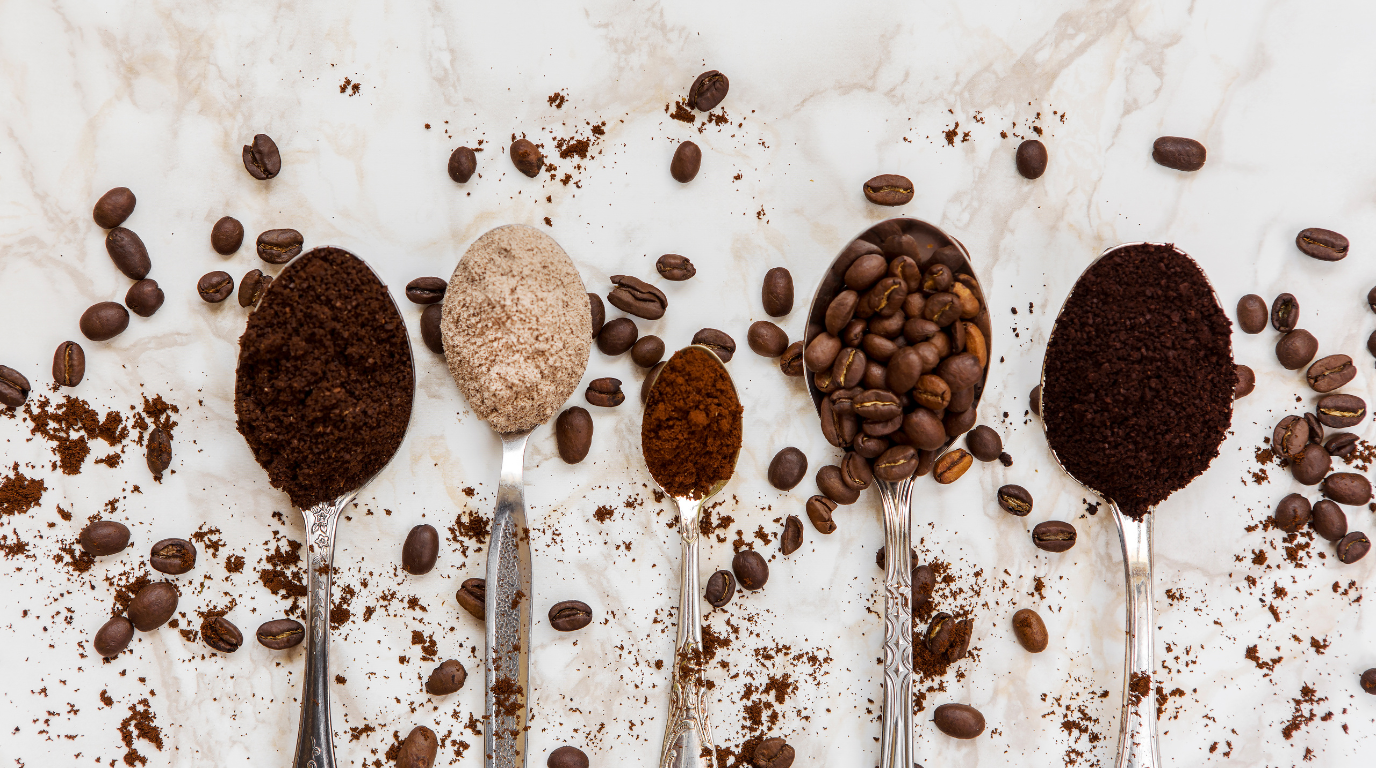
Learning how to roast coffee beans at home is one of the most rewarding steps a coffee lover can take. Green, unroasted coffee keeps far longer than roasted beans, roasting takes only around ten to twenty minutes, and you control exactly how light or dark the coffee becomes. It is also a little smoky, a little noisy and needs your full attention. This guide covers the equipment, the stages of a roast, how to cool and rest the beans, and the safety points that matter most.
What happens when coffee roasts
Green coffee beans are dense, grassy-smelling seeds with almost none of the flavour of coffee. Heat transforms them. As they warm, they dry and turn yellow, then tan and brown as sugars and amino acids react and caramelise. Gases, mainly carbon dioxide, build up inside the bean, and moisture turns to steam. Eventually the pressure cracks the bean with an audible pop, a stage roasters call first crack. Roasting further leads to a second, quieter crackle, called second crack, after which the beans darken quickly, turn oily and taste increasingly of the roast itself rather than the origin.
A thin, papery skin called chaff also comes off the beans as they roast. It is light and flammable, which is one reason home roasting needs care.
The stages to watch and listen for
| Stage | What you see, hear and smell |
|---|---|
| Drying | Beans turn from green to pale yellow; grassy, hay-like smell; steam |
| Browning | Tan to light brown; bread-like, toasty smell; chaff starts to lift off |
| First crack | Popping like popcorn. Sweet Maria's, a long-established home-roasting supplier, places it at roughly 390 to 410 F (about 199 to 210 C) in most roasters |
| Light to medium | From the end of first crack up to the start of second crack; beans even brown and dry-looking |
| Second crack | Faster, quieter snapping, like rice cereal in milk; placed at roughly 440 to 450 F (about 227 to 232 C) |
| Dark | Beans dark and oily, heavy smoke; origin character fades, roast flavours dominate |
Temperatures depend heavily on where the thermometer sits and on the machine, so sight, sound and smell are more reliable guides than a number. For what these roast levels taste like, see our guide to light vs medium vs dark roast coffee.
Choosing a method
- Air popcorn popper. A hot-air popper with side vents roasts small batches quickly and lets you watch the beans. It is the classic starting point, but it is not what most popper makers designed the appliance for, so read the manual and expect it to wear faster.
- Pan on the stove. A heavy pan or a stovetop popcorn pot with a crank works with no special equipment. You must stir constantly, and roasts are often uneven, but it is a cheap way to learn the stages.
- Oven. A perforated tray in a hot oven can roast beans, but results are usually uneven and it is hard to see and hear the cracks.
- Dedicated home roaster. Small drum or fluid-bed roasters made for home use have chaff collectors, smoke reduction and better control. They cost more but give the most consistent results.
How to roast coffee beans at home, step by step
These steps describe a small batch in an air popper or home roaster; the stages are the same in a pan.
- Set up outdoors or under strong ventilation. Roasting produces smoke and chaff. A covered outdoor space, or a cooker hood on high with a window open, is the minimum.
- Measure a small batch. Follow your equipment's maximum. Small batches are easier to roast evenly.
- Preheat and add the beans. Start the heat, add the green beans and make sure they are moving, whether by hot air, a rotating drum or stirring.
- Watch the colour change. Note when the beans turn yellow, then tan. Keep stirring if you are using a pan.
- Listen for first crack. When the popping starts, note the time. From here, changes happen quickly.
- Decide when to stop. For a light roast, stop shortly after first crack ends. For a medium roast, stop between the end of first crack and the start of second crack. Stopping at the first snaps of second crack gives a darker roast.
- Cool immediately. Tip the beans into a metal colander and toss them, or pour them between two colanders, outdoors, until they are cool enough to hold. Beans keep roasting from their own heat until cooled.
- Remove chaff and rest the beans. Blow or shake off remaining chaff, then store the beans in a container that lets gas escape, such as a jar with the lid resting loosely for the first day, or a valve bag.
- Write it down. Record the batch size, time to first crack, total time and how the coffee tasted. This is how roasts improve.
Resting after the roast
Freshly roasted beans are full of carbon dioxide and often taste better after a rest. Research from the Zurich University of Applied Sciences found that darker roasts release more gas than lighter roasts, and that light roasts keep degassing for weeks. Many home roasters brew filter coffee after a few days and espresso after about a week. Our guide to coffee degassing explains how long to rest beans and why.
Safety first
- Never leave a roast unattended. Beans and chaff can ignite, especially in a dark roast.
- Ventilate well. Roasting smoke is irritating and can set off alarms. Roast outdoors or with strong extraction.
- Manage chaff. Empty chaff collectors after each roast and keep loose chaff away from heating elements and flames.
- Keep a suitable fire extinguisher nearby, as several home roaster manuals advise, and know how to switch off and unplug your equipment quickly.
- Handle hot beans with care. Freshly roasted beans and metal colanders are very hot.
Choosing green coffee
Start with an affordable, forgiving green coffee from a reputable supplier while you learn; washed Central and South American coffees are popular first roasts. Look for the same details you would on a roasted bag: origin, altitude, process and harvest. Our guides to how altitude affects coffee flavor and washed vs natural vs honey coffee explain how those factors shape the cup. Dense, high-grown beans tend to take heat differently from softer, lower-grown ones, so expect to adjust your roast as you change coffees.
Not ready to roast? Roasting is fun, but it takes practice to match a professional roast. If you simply want to taste a balanced, carefully roasted coffee, our Jamaica Blue Mountain whole beans are ready to grind, and the full range is in the shop.
Sources
- Sweet Maria's Coffee Library: first crack
- Sweet Maria's Coffee Library: second crack
- Sweet Maria's Coffee Library: using sight to determine degree of roast
- Smrke et al., Time-resolved gravimetric method to assess degassing of roasted coffee, Journal of Agricultural and Food Chemistry (ZHAW Coffee Excellence Center)
Frequently Asked Questions
What is the easiest way to roast coffee at home?
How long does it take to roast coffee beans at home?
What is first crack in coffee roasting?
Can I drink coffee right after roasting it?
Is home coffee roasting dangerous?
Was this helpful?
Ready to taste it?
Shop 100% authentic Jamaica Blue Mountain Coffee — whole bean, ground and pods.
Shop Coffee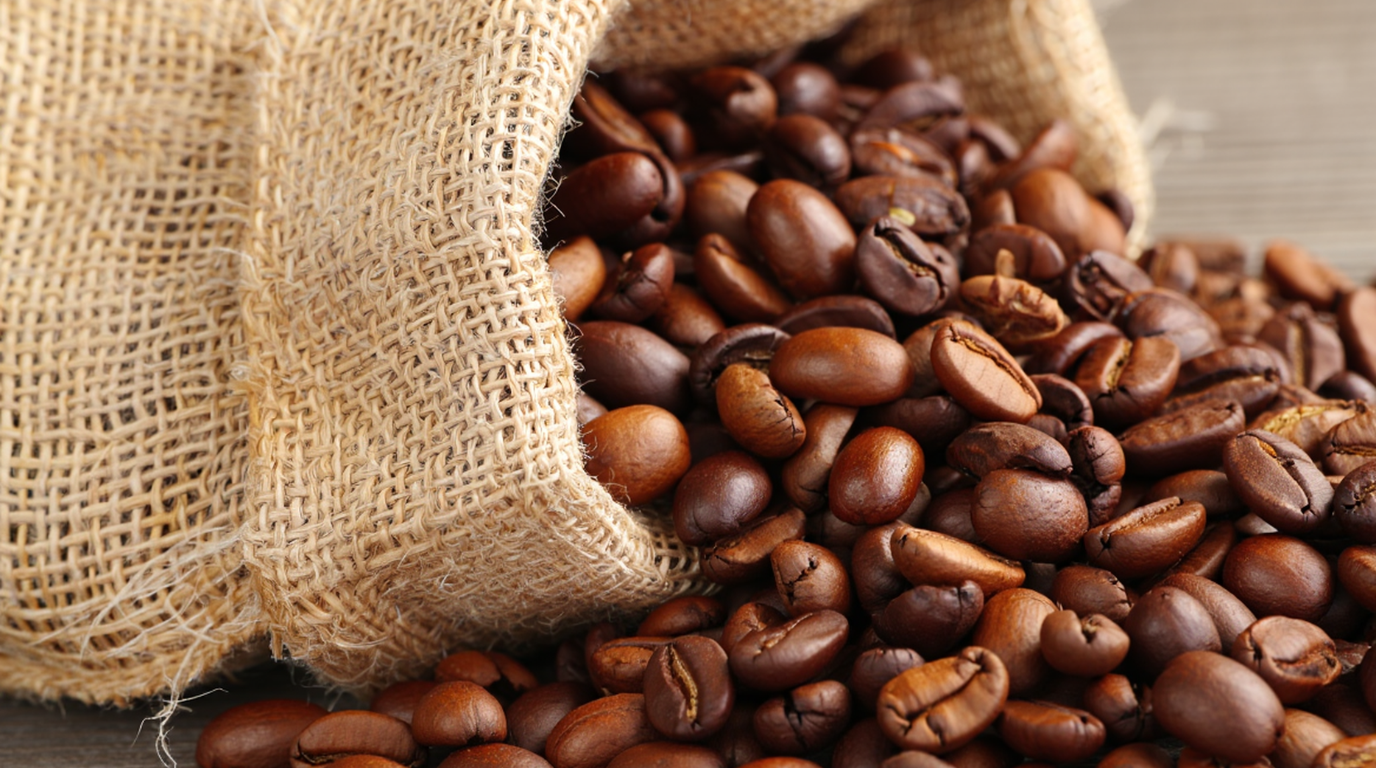

0 Comments
Be the first to share your thoughts.
Leave a comment
Please sign in with your email to leave a comment.