
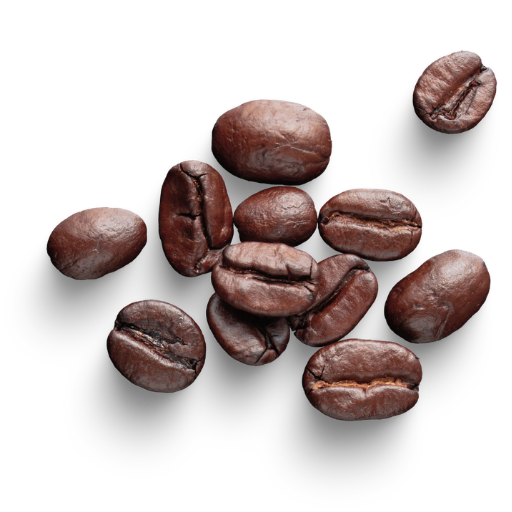
Peaberry Coffee vs Regular Beans: What Is the Difference?
Peaberry beans are round, sorted by hand and machine, and sold as their own grade. Here is what makes them different and when they are worth choosing.
Read more →Brewing guides, buying tips, origin stories and everything you need to get the most from Jamaica Blue Mountain Coffee.
Peaberry beans are round, sorted by hand and machine, and sold as their own grade. Here is what makes them different and when they are worth choosing.
Read more →
Wet-hulling is why many Sumatran coffees taste earthy, herbal and heavy. Here is how giling basah works and how it compares with washed coffee.
Read more →
Variety names now appear on many coffee bags. Here is a side-by-side guide to the common arabica varieties and what each one can mean for flavor.
Read more →
Jamaica Blue Mountain and Hawaiian Kona are the two island coffees people compare most. Here is how their origin rules, grades, labels and cups differ.
Read more →
Decaf bags now name their process. Compare Swiss Water, CO2, sugarcane and solvent methods, what the rules say, and how to choose a decaf you will enjoy.
Read more →
Geisha and Blue Mountain are both famous premium coffees, but one is a plant variety and the other is a protected origin. Here is what that means in your cup.
Read more →
Many of the world's most sought-after coffees grow high in the mountains. Compare the major high-altitude origins, their grade names and their cup styles.
Read more →
Choosing coffee gets easier once you know which label details predict flavor. Use this simple framework to match beans to the way you like your cup.
Read more →
A specialty coffee label packs a lot into a small space. Here is what each line means, which details actually predict the cup, and which claims to question.
Read more →
Specialty coffee has a technical definition. Here is how green grading, cupping scores and the 80-point threshold work, and how to use them when you buy.
Read more →