
Single Origin vs Blend Coffee: Which Is Right for You?
Single origin and blend are two different ways of building a great cup. Learn what each label promises, where each shines and how to choose for your taste.
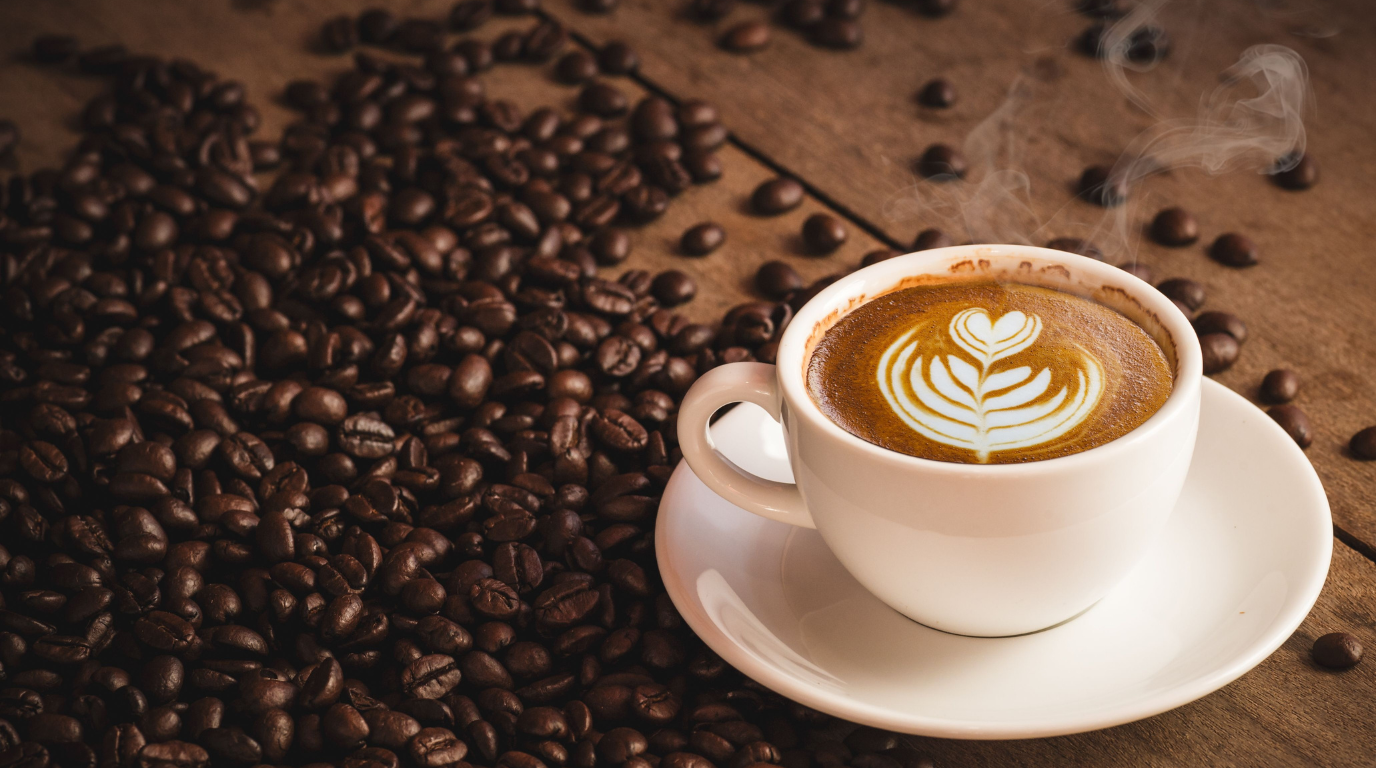
Walk into any specialty coffee shop and you will see two broad families of beans: single origins, labelled with a country, region or farm, and blends, labelled with a house name. Neither is inherently superior. They are two different ways of reaching a good cup, and each suits different drinkers, brew methods and occasions. Here is how to tell them apart and how to choose.
What single origin means
There is no single legal definition, but in specialty coffee "single origin" generally means all the beans come from one country, and frequently from one region, cooperative, washing station or farm. The narrower the source, the more distinctive and traceable the coffee. A single-estate or micro-lot coffee may come from one farm, or even one plot or one harvest day.
The point of single origin is to taste a place. The variety, the altitude, the soil, the climate and the processing method all leave their mark, and a single origin lets you experience that combination without dilution. That is why single origins are the coffees most often described with vivid tasting notes, and why they vary from harvest to harvest.
What a blend is
A blend combines coffees from two or more origins. Roasters build blends for several good reasons:
- Consistency: because single origins change with each harvest, blending lets a roaster keep a house coffee tasting the same all year.
- Balance: one coffee might bring body and chocolate, another brightness and fruit. Together they can be more rounded than either alone.
- Purpose: many espresso blends are designed to taste good both straight and with milk.
- Cost: a blend can include a more affordable base coffee, which lowers the price.
That last point is where caution comes in. Blending is also a way to put a famous name on a bag while using only a small amount of that coffee.
Famous-name blends
Premium origins attract blends that borrow their names. Hawaii law, for example, allows a coffee to be sold as a Kona blend if it contains at least 10 percent Kona coffee and the label states the percentage. Products called Blue Mountain blend or Blue Mountain style are not the same as 100 percent Jamaica Blue Mountain, which can only come from the designated, JACRA-certified area of Jamaica. Always look for the percentage. Our Blue Mountain vs Kona guide and our Blue Mountain buying guide go into these labels in more detail.
Side-by-side comparison
| Single origin | Blend | |
|---|---|---|
| Source | One country, region or farm | Two or more origins |
| Flavour | Distinctive, shows a place | Balanced, designed to a target |
| Consistency | Changes with harvest | Kept steady by the roaster |
| Traceability | Usually high | Varies; good roasters list components |
| Best for | Pour over, tasting, exploring | Espresso, milk drinks, daily routine |
Which brew methods suit each
Single origins tend to shine in brew methods that emphasise clarity: pour over, drip and AeroPress with a paper filter. These methods let delicate aromatics and acidity come through. Our brewing guide covers the basics, and getting the grind size right matters more than the gear.
Blends often perform best in espresso and milk drinks, where body and chocolate or caramel notes help the coffee stand up to milk. That said, a smooth single origin can make a lovely espresso; see our notes on espresso with Blue Mountain coffee.
How to choose
- Choose single origin if you are curious about flavour, enjoy black coffee, or want to know exactly where your coffee was grown.
- Choose a blend if you want the same cup every morning, drink mostly milk-based coffee, or are dialling in an espresso machine and want stability.
- Choose a premium single origin such as Jamaica Blue Mountain when you want a refined, balanced cup that still tells you where it came from. Our post is Jamaica Blue Mountain coffee worth it? helps you decide.
Freshness and storage for each
Single origins and blends age the same way once roasted. Because single origins are often bought for their delicate aromatics, they reward drinking within a few weeks of the roast date, when those aromatics are at their best. Blends built for espresso are sometimes rested for several days after roasting so the coffee releases carbon dioxide and extracts more evenly. For both, keep beans whole until you brew and store them in an airtight, opaque container at room temperature. Our list of coffee storage mistakes covers the details.
A simple way to taste the difference
If you have never compared the two styles directly, try this at home. Buy a single origin and a blend from the same roaster at a similar roast level. Brew both the same way, with the same grind size, ratio and water temperature. Taste each one hot, then again as it cools. The single origin will usually show more distinctive, specific flavours that change as it cools, while the blend will tend to stay rounder and more consistent. Neither is right or wrong; the test simply tells you which experience you enjoy more. Our guide to coffee tasting notes will help you put what you notice into words.
Reading the bag
For a single origin, look for the region, the farm or cooperative, the process and the altitude. For a blend, look for the list of components and their origins; transparent roasters share them. For any bag carrying a famous origin name, find the percentage. Our step-by-step guide to reading a coffee label covers every field, and you can see exactly what goes into our coffees.
Famous names in blends: what the law says
Some origins limit how their names can be used in blends. In Hawaii, a blend that uses a regional name such as Kona must state the percentage; the legal minimum is 10 percent until 30 June 2027 and 51 percent by weight from 1 July 2027 under House Bill 2298. Colombia protects Café de Colombia as a geographical indication, recognised in the European Union as a Protected Geographical Indication in 2007, and its certification marks require 100 percent washed arabica. Jamaica protects Jamaica Blue Mountain through JACRA certification and registered trademarks. Our guides to coffee geographical indications and Hawaiian coffee regions explain how each system works.
Sources
Frequently Asked Questions
Is single origin coffee better than a blend?
What does Blue Mountain blend mean?
Which is better for espresso, single origin or blend?
Was this helpful?
Ready to taste it?
Shop 100% authentic Jamaica Blue Mountain Coffee — whole bean, ground and pods.
Shop Coffee
0 Comments
Be the first to share your thoughts.
Leave a comment
Please sign in with your email to leave a comment.