
Why Does My Coffee Taste Bitter or Sour? Causes and Fixes
Bitter or sour coffee is almost always fixable. Here is what causes each taste, what research says about strength and extraction, and how to fix your cup.
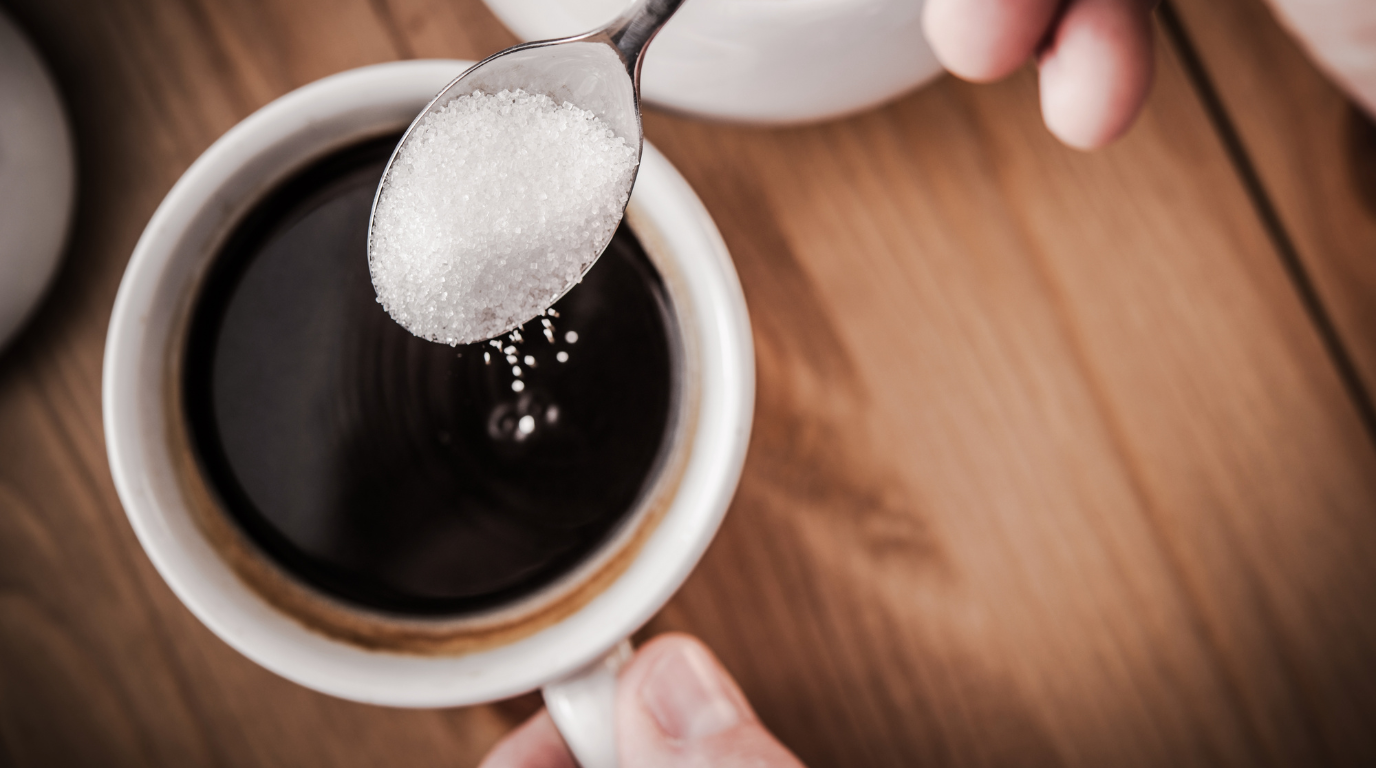
Why does my coffee taste bitter? It is one of the most searched coffee questions, and its twin, why does my coffee taste sour, is not far behind. The good news is that both are usually fixable at home without new equipment. The bad news is that the most common advice, grind finer for sour and coarser for bitter, is only part of the story. Research on brewed coffee shows that how strong the coffee is matters at least as much as how much you extract. This guide explains both tastes, the real causes behind each, and a simple order in which to fix them.
Two numbers behind every cup: strength and extraction
Coffee professionals describe a brew with two measurements. Strength, measured as total dissolved solids (TDS), is how concentrated the coffee is: how much dissolved coffee is in your cup. Extraction yield is how much of the ground coffee's mass ended up dissolved in the water. You can change strength mainly with the ratio of coffee to water, and extraction mainly with grind size, time and technique.
In the 1950s, Ernest Lockhart's work for the Coffee Brewing Institute identified coffee near 1.25% TDS and about 20% extraction as ideal, and the Brewing Control Chart that grew from it is still taught today, with a target zone of roughly 1.15 to 1.35% strength and 18 to 22% extraction. More recent sensory research at the University of California, Davis has refined the picture. As summarised in a 2021 paper in Scientific Reports, higher strength is strongly associated with bitterness and roasty flavours, high strength combined with low extraction with sourness and citrus notes, and lower strength with more sweetness. Another UC Davis study found that brew temperature, at a fixed strength and extraction, had little effect on the taste of drip coffee.
For a home brewer, the takeaway is simple: before blaming the grind, check the ratio. A cup that is simply too strong can taste bitter even when extraction is fine.
Why your coffee tastes bitter
- Too much coffee for the water. A high dose makes a strong, heavy cup, and strength is closely linked to bitterness. Try weighing your coffee and using a little less, around 1:16 to 1:17 coffee to water for filter.
- Over-extraction. Grinding too fine, brewing too long or agitating too much pulls out more of the slow-dissolving, harsh compounds. French press coffee left to sit on the grounds keeps extracting.
- A dark roast. Dark roasts taste more bitter and roasty by nature. If you dislike bitterness, a medium roast may suit you better; see light vs medium vs dark roast.
- Stale or stewed coffee. Coffee kept on a hot plate keeps changing and turns harsh. Brew what you will drink, or keep it in a thermal carafe.
- A dirty machine. Old coffee oils turn rancid and add bitterness to every brew. Our guide on how to clean your coffee maker covers descaling and oil removal.
- Water. Chlorine and very hard or very alkaline water flatten and roughen coffee; see the best water for coffee.
Why your coffee tastes sour
- Under-extraction. Grinding too coarse, brewing too briefly or pouring water that rushes past the grounds leaves the sweet and balancing compounds behind, so acids dominate. This is the classic cause in a fast espresso shot or a weak, quick pour-over.
- Strong but under-extracted. A high dose with a coarse grind or short brew gives the strong, sour, citrus-like cup the UC Davis work describes.
- Very fresh coffee. Beans brewed only a day or two after roasting release so much carbon dioxide that water is pushed away from the grounds, which can give uneven, sour cups. See coffee degassing explained.
- Water that is far too cool. Temperature matters less than strength and extraction, but very cool water extracts slowly; brewing just off the boil is the usual advice.
- A light roast you are not used to. Some acidity is part of a coffee's character, not a fault. Bright, fruity coffees taste lively by design; if you prefer a mellow cup, choose a balanced coffee and a medium roast.
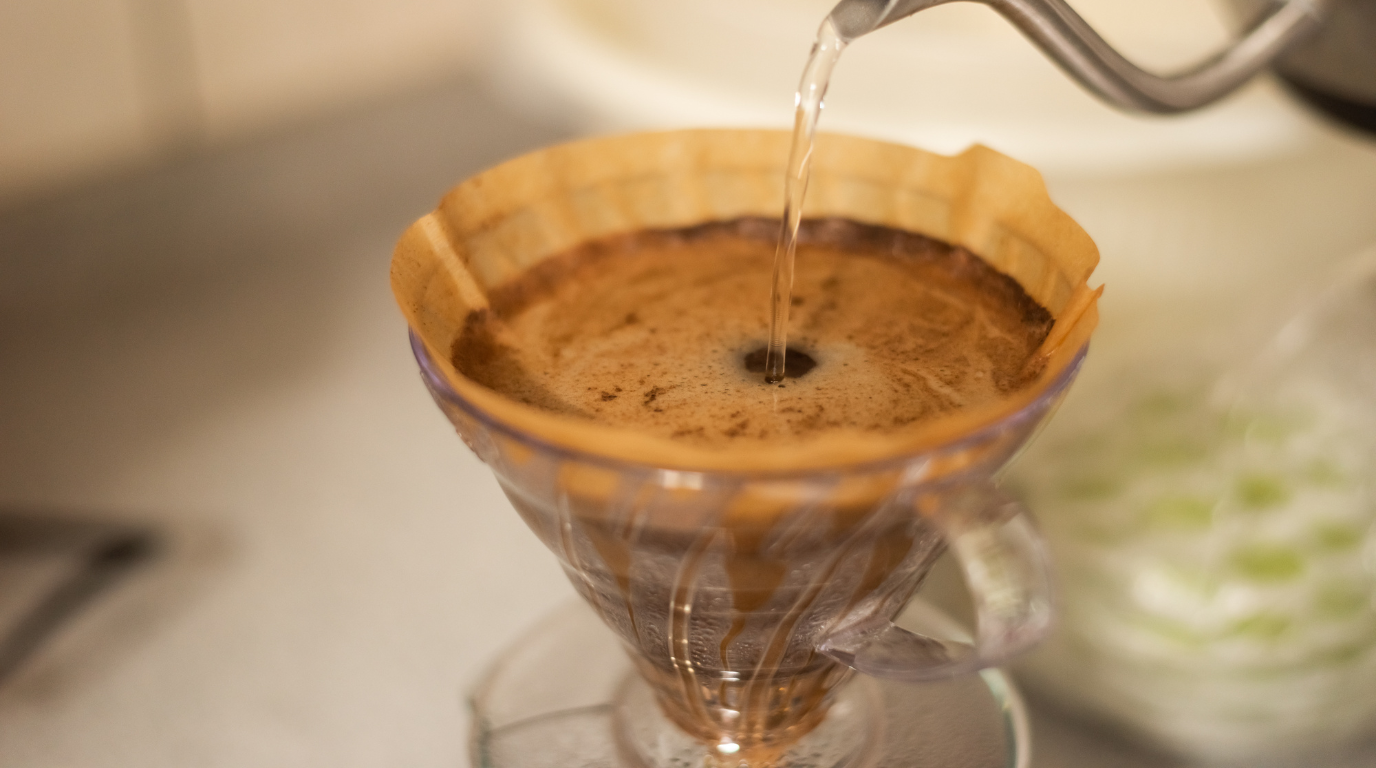
Bitter or sour? Tell them apart
People often call any unpleasant coffee bitter. Sourness is sharp and sits on the sides of the tongue, like an unripe fruit or lemon juice, and it often comes with a thin, watery body. Bitterness is harsh and lingers at the back of the mouth, often with a dry, drying feeling, like very dark chocolate or over-steeped tea. If a cup is both sour and bitter at once, uneven extraction is likely: some grounds over-extract while others under-extract, which is common with blade grinders, as our coffee grind size chart explains.
How to fix bitter or sour coffee, step by step
- Weigh your coffee and water. Start from a known ratio, such as 1:16 for filter or about 1:2 for espresso. Without numbers, every other change is guesswork.
- Fix strength first. If the cup is heavy and bitter, use a little less coffee or more water. If it is thin and sharp, use a little more coffee.
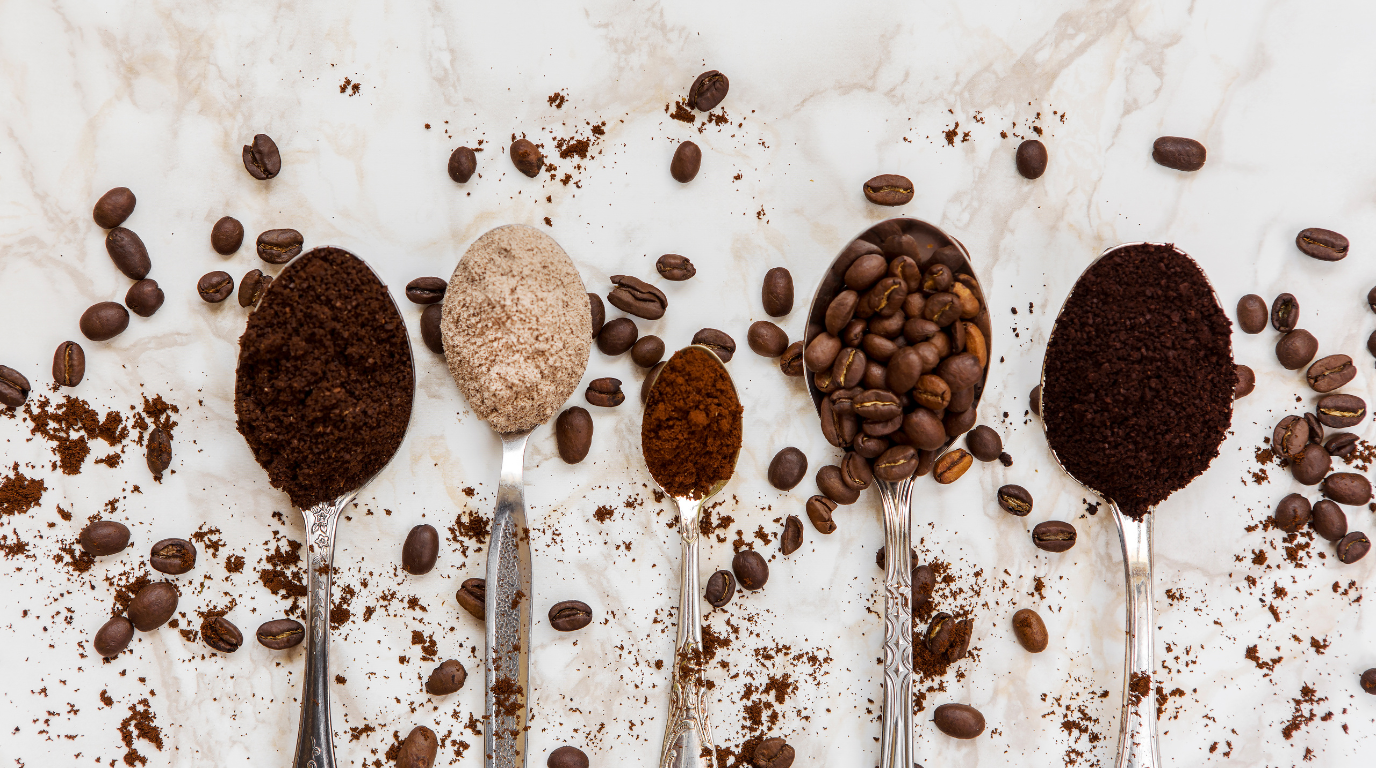
- Then adjust extraction with grind. Sour and thin: grind finer. Bitter and drying: grind coarser. Change in small steps.
- Check brew time. Compare it with what your method expects, for example about two and a half to four minutes for pour-over or about four minutes for a French press.
- Check freshness. Look at the roast date. Very fresh coffee may need a few more days; coffee roasted many weeks ago may be past its best.
- Check water and cleanliness. Use filtered water and clean the brewer.
- Change one thing at a time and taste after each change, so you learn what each adjustment does.
A special case: French press and other immersion brewers
In full-immersion brewing, where all the water sits with all the coffee, the 2021 Scientific Reports study found that extraction settles at roughly the same level across a wide range of brew ratios, and that the underlying balance was largely insensitive to grind size, roast level and brew temperatures between 80 and 99 C. The authors concluded that brew ratio is the most important setting for immersion coffee. So if your French press tastes too bitter or heavy, change the amount of coffee before reaching for the grinder; our pour over vs French press guide has starting recipes.
For espresso, the same logic applies to shot length: see ristretto vs espresso vs lungo for how shorter and longer shots change bitterness.
Sugar and milk: masking or fixing?
Adding sugar or milk hides bitterness and softens sourness, and there is nothing wrong with enjoying coffee that way. But if you find yourself adding more and more to make a cup drinkable, the brew is probably the problem. A balanced coffee, brewed at the right strength, often needs less. Jamaica Blue Mountain is known for a smooth, balanced cup, which makes it a good coffee to learn on: when it tastes harsh, the cause is almost always in the brewing. Try it with our perfect cup guide using freshly ground Jamaica Blue Mountain whole beans, or browse the shop.
Sources
- Liang, Chan and Ristenpart, An equilibrium desorption model for the strength and extraction yield of full immersion brewed coffee, Scientific Reports (2021)
- Frost, Ristenpart and Guinard, Effects of brew strength, brew yield, and roast on the sensory quality of drip brewed coffee, Journal of Food Science (2020)
- Batali, Ristenpart and Guinard, Brew temperature, at fixed brew strength and extraction, has little impact on the sensory profile of drip brew coffee, Scientific Reports (2020)
- Specialty Coffee Association: research
Frequently Asked Questions
Why does my coffee taste bitter?
Why does my coffee taste sour?
Does grinding finer make coffee more bitter?
Can water temperature make coffee bitter?
How do I make coffee less bitter without sugar?
Was this helpful?
Ready to taste it?
Shop 100% authentic Jamaica Blue Mountain Coffee — whole bean, ground and pods.
Shop Coffee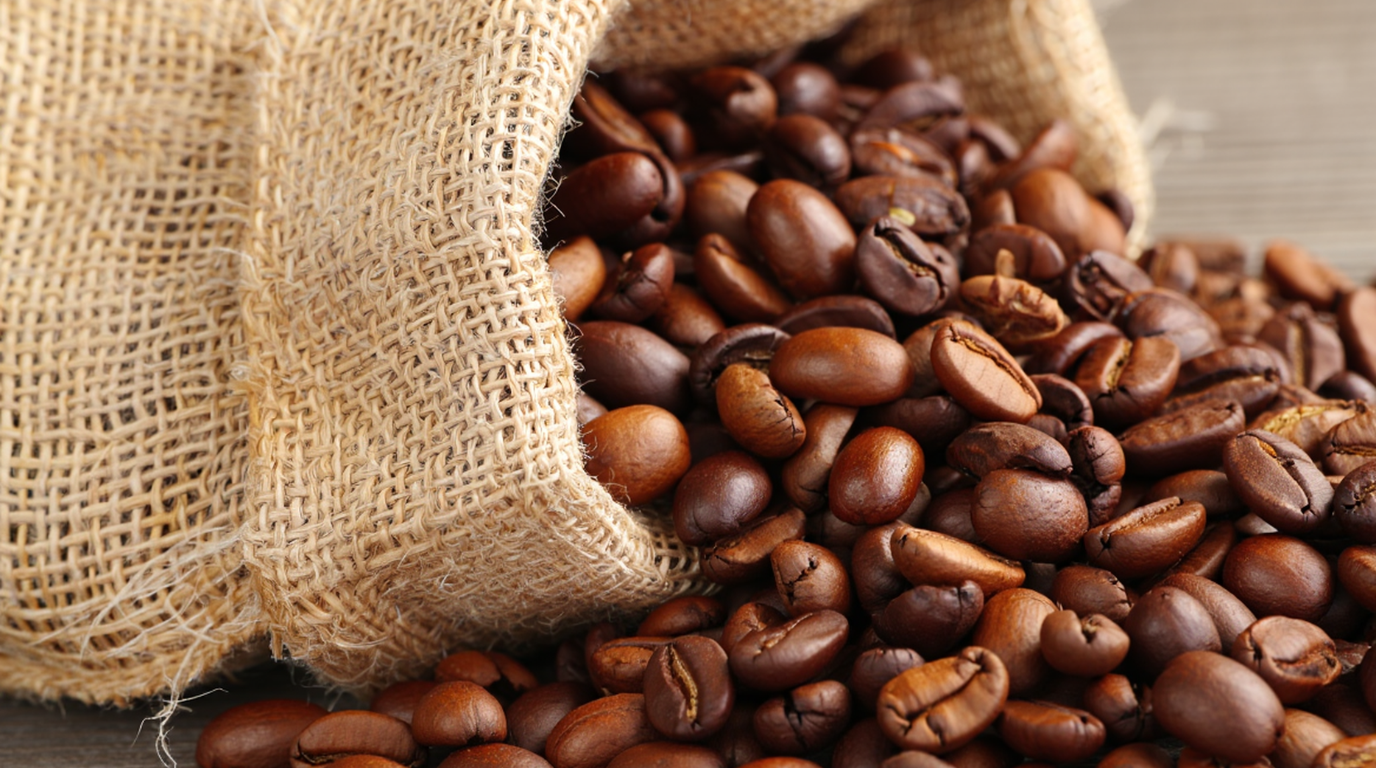
0 Comments
Be the first to share your thoughts.
Leave a comment
Please sign in with your email to leave a comment.